All Messages
The God You Thought You Knew
·
Part 5
Pastor Ken
Genesis 17:5-18:14; Isaiah 55:8-9
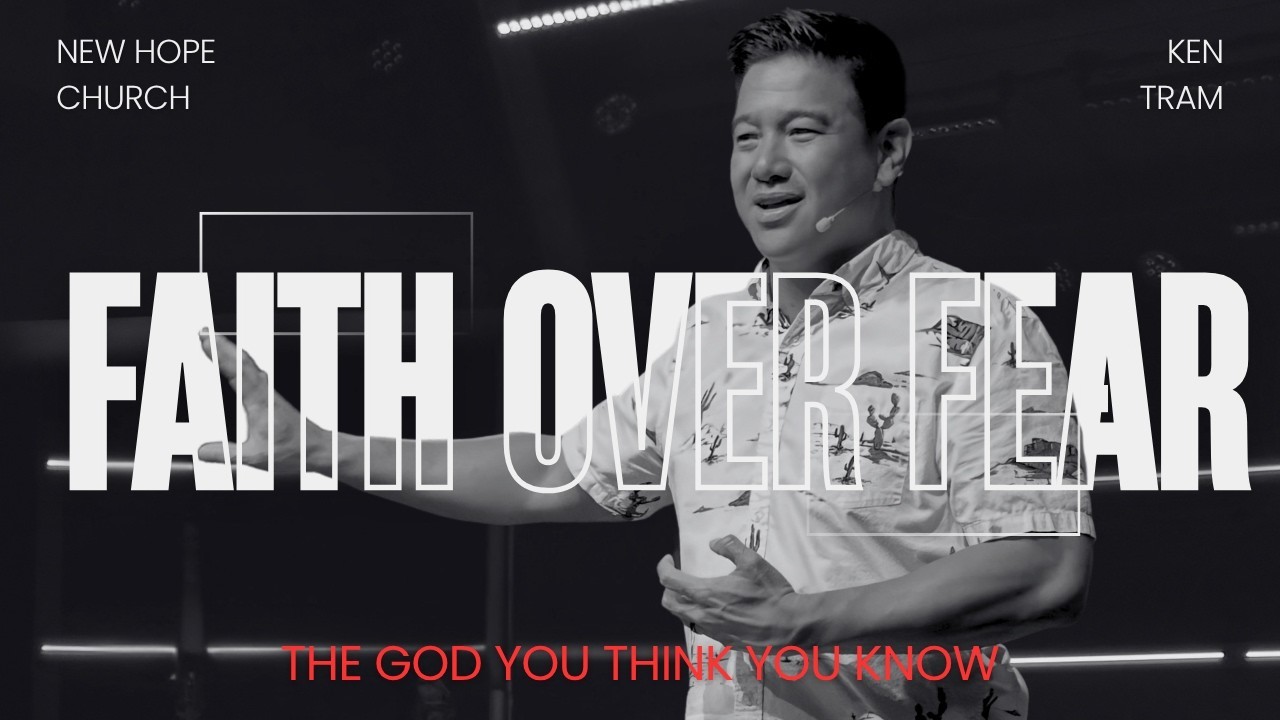
Ever felt like doubt was quietly rewriting who you believe you are? Pastor Ken walks through Genesis 17-18, where God renames the childless, hundred-year-old Abram ‘father of many nations’ decades before the promise comes true, to show that God names you by what he sees in a surrendered future, not by your track record. Drawing on Isaiah 55:8-9 and the meaning behind Isaac's name, he traces how a single doubted moment can quietly become a permanent identity, and what it looks like to let God overwrite it.
COMMON QUESTIONS ABOUT THIS MESSAGE
Why does God rename Abram to Abraham before he has any children?
In Genesis 17:5, God changes Abram's name, which meant "exalted father," to Abraham, "father of many nations," even though Abraham is a hundred years old and still childless. The message argues this shows God names people according to what he sees in a surrendered future, not according to their current circumstances or track record.
How does doubt turn into identity, according to this message?
The sermon describes a pattern where doubt starts by attacking what you believe about a future event, like a failed relationship or a bad decision, and then quietly turns into a statement about who you are, like "I am impossible to love" or "I am a mistake." Recognizing that shift is presented as key to resisting labels that were never God's to give.
What does Isaiah 55:8-9 mean by God's thoughts and ways being higher than ours?
Isaiah 55:8-9 has God declaring that his thoughts and ways are not human thoughts and ways, as high above them as the heavens are above the earth. The message applies this practically: our plans are limited by what we can see and the resources we have, while God's plans are built on what he already knows and his own power.
Why is Isaac's name significant in Genesis 18?
Both Abraham and Sarah laugh in disbelief when told they'll have a son in their old age, and God has them name that son Isaac, which means "he laughs." The message reads this as God taking the sound of their doubt and turning it into a permanent reminder of his faithfulness, answered by his own question in Genesis 18:14: "Is anything too hard for the Lord?"
More from The God You Thought You Knew
PART 2
How Fear Makes Us Doubt God's Promises
Pastor Ken

PART 3
Why God's Promises Don't Depend on Your Performance
Pastor Ken

PART 4
When Pain Starts Preaching
Pastor Ken

PART 5
When God Calls You Something You Cannot Yet See
Pastor Ken

PART 6
ChatGPT Didn't Want Me to Preach This...
Pastor Ken

PART 7
The Hardest Thing God Will Ever Ask You to Do
Pastor Ken