All Messages
Sacred Rhythms
·
Part 3
Ken Tram
John 15:1-8; Isaiah 5:1-2
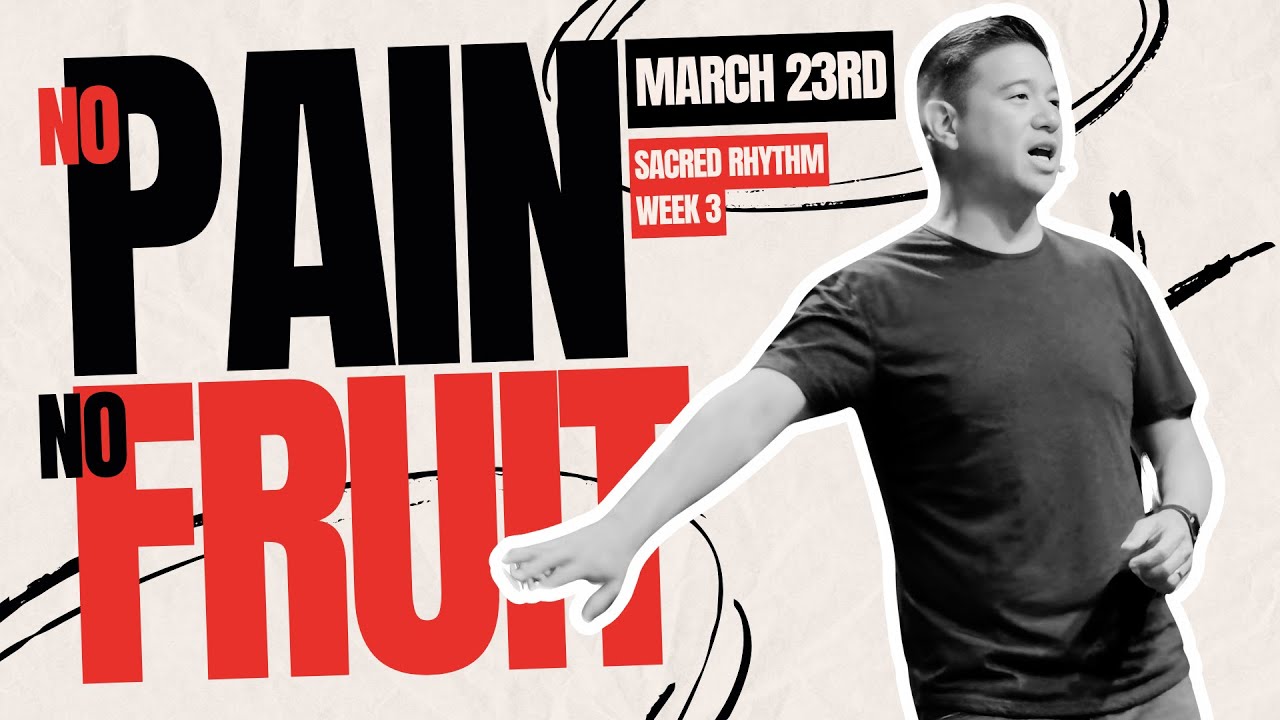
Why does everything seem to fall apart right when things were finally going well? Pastor Ken works through John 15:1-8, where Jesus tells his disciples he is the True Vine and that the Father prunes every fruitful branch so it will bear even more. His point is that a setback season isn’t God breaking you, it’s God building you, and the way through is to abide, staying vitally connected to Jesus. This one is for anyone in a hard stretch who is asking what the point of it could be.
COMMON QUESTIONS ABOUT THIS MESSAGE
What does it mean that Jesus is the True Vine?
In Isaiah 5, God’s chosen people are pictured as a vineyard that was carefully planted and still produced only bad fruit. Pastor Ken says Jesus calls himself the True Vine to show that what the Old Testament pointed to is completed in him, which he calls fulfillment theology. Good fruit comes from being connected to Jesus, not from religion or tradition on its own.
What does it mean to abide in Christ?
Pastor Ken prefers “abide” over “remain” because remain sounds passive. He describes abiding as a living, vibrant relationship with Jesus, not a single prayer you pray once. He compares it to how you scramble for a charger when your phone is at five percent: go back to the source, because Jesus says in John 15:5, “apart from me you can do nothing.”
Why would God prune a branch that is already bearing fruit?
John 15:2 says the Father prunes every fruitful branch “so that it will be even more fruitful.” Pastor Ken notes that Jesus said this in the upper room, shortly before the cross, to warn his disciples a setback season was coming. His encouragement is that the pruning has a purpose: God isn’t breaking you, he’s building you.
Does John 15:7 mean God will give me whatever I wish for?
Pastor Ken says no. He cautions against treating God like a cosmic genie. His argument is that as you abide in Jesus, you come to know what God wants, and what you ask for starts to line up with that. He suggests prayers often feel ineffective because they’re aimed at our own selfish desires.
More from Sacred Rhythms